By Al-Amin Isa
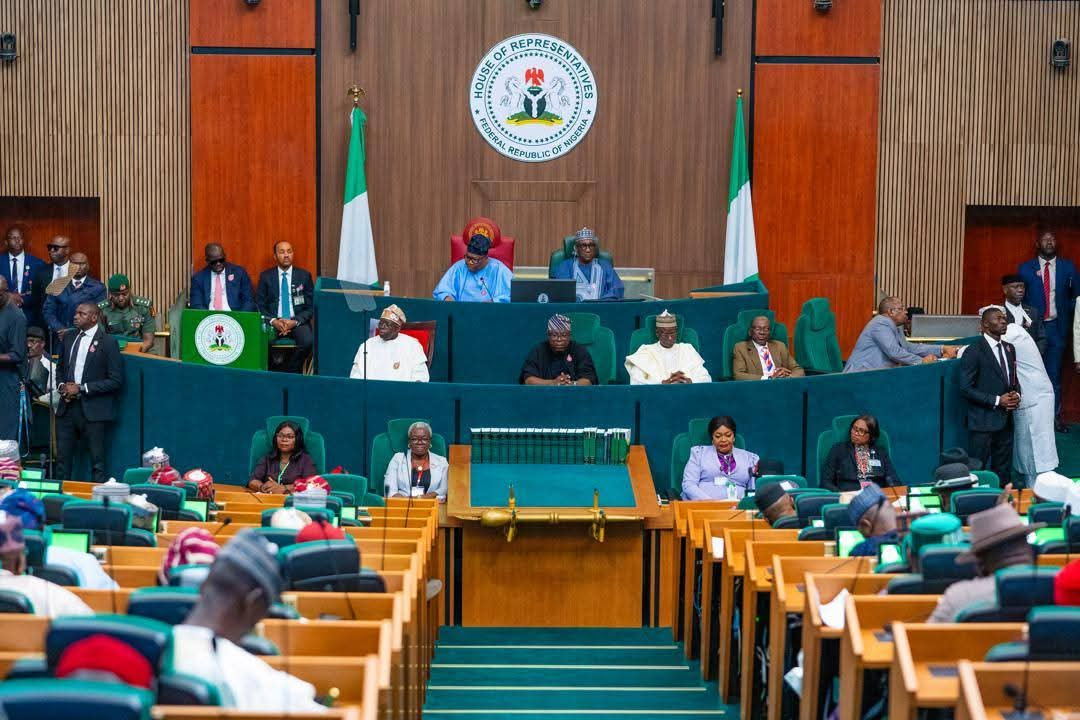
There comes a moment in the life of every nation when honesty must override habit. Nigeria is at that moment now. The question before us is no longer whether democracy is desirable, we settled that long ago. The real question is whether the way we practice it today is affordable, effective, or even defensible. On this, Nigerians across class, region, and generation strangely agree: the National Assembly, as presently structured, has become both an economic burden and a democratic disappointment.
This is not anger. It is arithmetic. It is structure. It is reality.
What the National Assembly Was Meant to Be
The legislature exists for three clear purposes:
1. To make laws
2. To oversee the executive
3. To represent the people
Simple. Elegant. Purposeful.
Yet today, the institution behaves like one unsure of its own mandate. Lawmaking is often shallow and reactive. Oversight is loud but selective. Representation feels distant and transactional. The energy that should go into serious policy thinking is instead consumed by motions, privileges, and internal politics. This is not primarily a problem of character. It is a problem of design. A bloated structure rewards duplication, encourages competition for perks, and weakens accountability. When too many people share responsibility, responsibility itself disappears.
The Cost of Maintaining Comfort Over Competence
Let us talk numbers, not emotions.
Over ₦80 billion goes annually into sustaining 109 senators, their salaries, allowances, official comforts, and a supporting cast of more than 2,000 aides. Almost the same amount is spent on the 360 members of the House of Representatives, again surrounded by layers of assistants, consultants, and support staff.
And yet, no Nigerian, journalist, academic, or civil society group, can confidently state the total annual budget of the National Assembly. It remains the most opaque expenditure line in the federation. In a country borrowing to pay salaries, struggling to fund hospitals, and rationing security resources, this level of secrecy is not just unhealthy, it is reckless. If these sums produced strong legislation, fearless oversight, and visible national value, Nigerians would defend them. But they do not.
Representation That Feels Like Absence
The irony is painful. Nigeria has one of the largest legislatures in the world, yet citizens feel profoundly unrepresented. Most people cannot name a single bill sponsored by their lawmaker. Public hearings rarely shape final decisions. Constituency projects, supposed to be the physical proof of representation, have become national punchlines: abandoned sites, phantom contracts, projects that exist only on paper.
We were promised voices.
What we hear are echoes.
This is what happens when representation is measured by headcount instead of impact.
Full-Time Pay, Fractional Output
Here lies one of the quiet absurdities of our governance model: Nigeria runs one of the most expensive full-time legislatures on earth, yet produces legislative outcomes that barely match the scale of our crises. Lawmaking is not factory work. It is intellectual labor. It requires thinking, research, debate, and judgment, not permanent residency in Abuja with convoys, allowances, and layers of entitlement. In many functional democracies, legislators serve part-time, remain rooted in their communities, and return periodically to deliberate. Oversight in such systems is often sharper, precisely because lawmakers are closer to lived realities and farther from permanent power. Nigeria pays full-time wages for what increasingly resembles part-time national value.
The Question Nigerians Avoid Saying Out Loud
Here is the question whispered everywhere but confronted nowhere:
Do we truly need two chambers doing largely the same work, reviewing the same bills, debating the same issues, funded by an economy gasping for survival? This is not an argument against lawmaking. This is not an argument against democracy.
It is a simpler, more urgent challenge:
Can Nigeria achieve effective legislation, strong oversight, and fair representation with fewer people, lower cost, and sharper focus?
Experience answers yes.
Logic answers yes.
Our collapsing schools, overstretched hospitals, and underfunded security sector demand yes.
Choices Before Us (Without Shouting Them)
Every reform conversation eventually arrives at structure.
Some nations choose one chamber and make it strong. Others retain two, but make them lean.
Nigeria must confront this honestly.
If we are bold, one well-designed legislative house, smaller in size, part-time in operation, and obsessed with oversight rather than perks, can serve the republic better than what we have now.
If we are cautious and insist on two chambers, then numbers must fall drastically. For example:
One senator per state. Three members of the House of Representatives per state.
The math is simple. The savings are massive. The focus improves. Oversight sharpens. Representation becomes meaningful again.
The dots are not hidden. They are simply uncomfortable.
A Time That Demands Thinkers, Not Sacred Cows
Nigeria has entered a season where old assumptions cannot survive new pressures. Revenue is tight. Debt is rising. Citizens are angry. The margin for waste has evaporated. This is not the time for emotional attachment to inherited structures. It is the moment for clear thinking, institutional courage, and reform that hurts privilege but heals the nation.
We cannot keep borrowing to fund comfort. We cannot keep paying for duplication. We cannot keep mistaking size for strength.
The Real Defense of Democracy
This conversation is not an attack on democracy. It is a rescue mission.
Democracy is not measured by how many lawmakers we feed, but by how well laws serve the people. It is not sustained by convoys and allowances, but by institutions that think, question, and restrain power. Nigeria does not need more legislators. Nigeria needs better thinking, leaner governance, and a legislature that remembers why it exists.
The dots are already there.
All that remains is the courage, political, intellectual, and moral, to connect them.